

Synthetic Bristle Elasticity: How It Improves Brush Performance Over Time
Synthetic Bristle Elasticity: How It Improves Brush Performance Over Time
For wet shaving enthusiasts, the performance of a shaving brush isn’t just about initial feel—it’s about how it holds up over months of use. Traditional natural bristles, while prized for softness, often lose their shape and elasticity over time, leading to uneven lathering and reduced efficiency. Enter synthetic bristles: engineered for elasticity, they’re redefining long-term brush performance. But how exactly does synthetic bristle elasticity translate to better results over time?
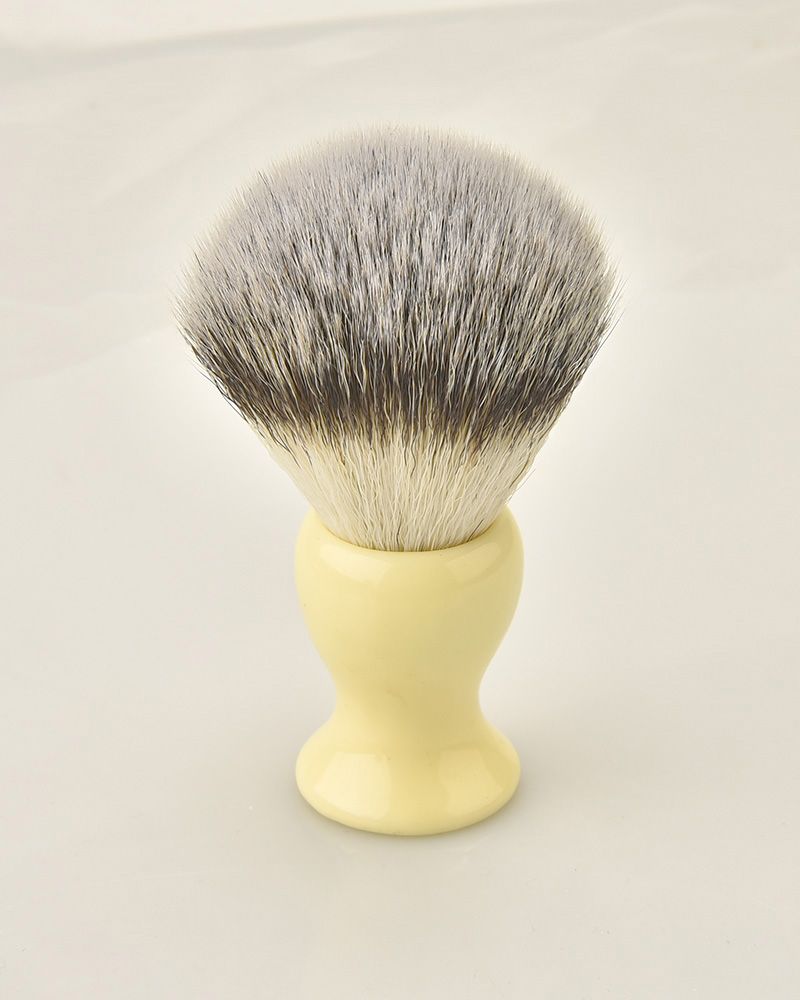
Elasticity, in the context of shaving brush bristles, refers to a material’s ability to return to its original shape after being bent or compressed. For a shaving brush, this means maintaining loft (the height of the bristle bundle when upright), flexibility during lathering, and structural integrity even after repeated use. Unlike natural hairs, which can become brittle or lose their springiness due to moisture, oils, or mechanical stress, synthetic bristles are designed to retain this elasticity, making them a durable alternative.
The key to synthetic bristle elasticity lies in advanced polymer engineering. Materials like nylon 6,6 or PBT (polybutylene terephthalate) are commonly used, chosen for their high tensile strength and resilience. Manufacturers often enhance elasticity through processes like tapered tips—where bristle ends are thinned to mimic the softness of natural badger hair—while maintaining a stiffer core that resists deformation. This combination ensures the bristle can flex during lathering (to work up a rich foam) and snap back into place afterward, preventing splaying or matting.
In practical use, this elasticity transforms the shaving experience in two critical ways: immediate feel and long-term reliability. Initially, elastic synthetic bristles create a denser, more consistent lather by effectively agitating shaving cream or soap, trapping air to form a thick, cushioning foam. Unlike natural bristles that may collapse under pressure, synthetic versions maintain their structure, allowing for better control over lathering—whether on the face or in a bowl. Over time, the benefits become even more pronounced. A brush with elastic bristles won’t “flatten out” after weeks of use; it retains its loft, ensuring the same level of lathering efficiency month after month. This durability also reduces the need for frequent replacements, a cost-saving and sustainable advantage for consumers.
The rise in demand for synthetic shaving brushes isn’t just about performance—it’s also driven by sustainability and ethical concerns. As more consumers seek cruelty-free alternatives to animal-derived bristles, synthetic options with superior elasticity are filling the gap. Brands are now highlighting elasticity as a key selling point, with lab tests showing that high-quality synthetic bristles can maintain over 90% of their original elasticity after 500+ uses, compared to natural bristles that may lose 30-40% elasticity in the same period.
For wet shavers, investing in a synthetic brush with optimized elasticity means more than a comfortable shave today—it means consistent performance tomorrow. By combining advanced materials, precision engineering, and a focus on long-term resilience, synthetic bristles are setting a new standard for what a shaving brush can deliver. As technology evolves, we can expect even more innovations in bristle elasticity, ensuring that the perfect lather and smooth shave remain within reach, use after use.


